

@miriambergman98
Profile
Registered: 6 days, 15 hours ago
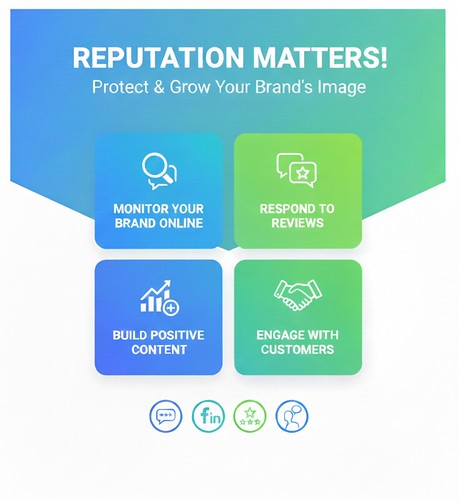
A business with one physical location can usually manage its address, Google Business Profile, reviews and website information through a relatively simple workflow. Add five, twenty or one hundred locations, and every local SEO process becomes more complex. local SEO for multiple locations requires a system that preserves accurate brand standards while giving each legitimate location enough local context to serve its own customers. What is multi-location SEO? The strategy can apply to dental groups, law firms, restaurants, automotive businesses, healthcare organizations, home-service companies with multiple offices and other businesses operating distinct physical locations. Major components include: eligible profiles representing individual locations; website resources for legitimate business locations; names, addresses, phone numbers and hours; local citations; customer feedback associated with each location; information relevant to specific markets; internal linking; local SEO reporting. Accurate local SEO requires a single source of truth Before scaling citation management, create a controlled master record for every location. The database can contain: official business name; complete address; the correct customer contact number; business hours; how temporary or holiday changes are managed; the appropriate website destination; services available; accurate classification information; internal location identifier; who verifies operational changes. Establish location governance Multi-location SEO becomes difficult when nobody knows who is responsible for updating information after a location moves, changes hours or adds a service. Location changes can follow these steps: Verify the information before publication. The master location record is updated. Keep customer-facing information current. Align the local profile with actual operations. Important citations are reviewed. Tracking and reporting systems are checked. The change is documented. Treat every legitimate location as its own local market Local keyword research should therefore include location-level evidence for priority markets. For each market, evaluate: which offerings matter commercially in the market; how customers search for those services; which businesses repeatedly appear; how local customers describe their needs; review themes; market-specific opportunities; which searches and services generate useful inquiries. Manage Google Business Profiles at the location level For a multi-location business, multi-location Google Business Profile management requires consistency and local accuracy simultaneously. Corporate teams may establish standards, but each profile should reflect the actual location it represents. A location-level GBP audit can review: accurate representation of the location; correct physical location where applicable; working location contact information; hours; accurate representation of the business; services; website link; relevant visual representation; reviews and responses; data relevant to the business category. Profile architecture should reflect real operations Website pages can explain real service coverage beyond physical locations where appropriate, but a target city should not automatically become a claimed office. The website architecture can represent broader geographic coverage while eligible profiles remain tied to legitimate business operations and current platform requirements. Give every important physical location a useful website destination For businesses with multiple legitimate locations, these pages can also create a clean connection between Google Business Profile optimization and the website. Depending on the business, include: clear physical-location information; appropriate local communication channels; current operating information; services available at the location; people genuinely associated with the location; the appropriate customer action; practical information for visitors; location-specific FAQs; links to detailed commercial information. Replacing the city and address is not localization Templates can provide structural consistency, but the substantive information should reflect the actual location. Meaningful differentiation can come from: services genuinely available at the branch; local staff or professionals; facility information; parking, transit or access information; real work associated with the market; issues repeatedly raised at the branch; authoritative information affecting the service; how customers interact with that location. Use a consistent page template without creating duplicate content A multi-location website still benefits from consistent page structure. Customers should not encounter completely different navigation and information architecture at every branch. A reusable structure might contain: Explain which business location the page represents. Services available. Local team or facility information. Make operational details easy to verify. Answer useful location-specific FAQs. Present factual credentials or customer information where appropriate. Booking or contact options. Help customers find the correct branch A logical website architecture should help customers locate the correct business without relying entirely on search engines. The architecture might include: a central directory of legitimate business locations; useful organizational pages for large networks; helping customers distinguish multiple branches within a metro area; the primary resource for each physical branch; service pages; internal search or location finder. Customers need both service and geographic information A multi-location company may offer ten services at twenty locations. This produces 200 mathematical service-location combinations, but it does not automatically justify 200 dedicated pages. Evaluate: Confirm operational accuracy. Validate customer interest. Avoid redundant URLs. Can the page contain useful unique information? Is the combination commercially important? Can the page be maintained when services change? Help customers move between brand, service and geographic resources A thoughtful internal linking structure can connect users with the appropriate service and branch efficiently. Internal links can connect: helping customers choose a branch; location page → services offered there; showing where the service is available; regional hub → local branches; moving research-stage visitors toward appropriate commercial information; location page → nearby legitimate locations. Maintain NAP consistency across a growing location network Each additional location creates another set of external business references. When a location moves or changes its phone number, outdated information can remain across directories and other platforms. Citation audits can verify: correct location identity; address; phone; appropriate location destination; business category; current operating information; duplicate listings; outdated references requiring attention. Build a process for openings, moves and closures A multi-location organization should establish a location lifecycle workflow. For a new location: Verify official operational information. Create the appropriate website location resource. Establish eligible local profiles according to current requirements. Build relevant citation coverage. Add internal navigation. Configure analytics and lead tracking. Build reputation from genuine experiences. Preserve useful transition information Depending on the situation, a closed location page may temporarily explain the change and direct customers toward the appropriate active location or resource before the long-term URL strategy is implemented. Review: what should happen to the old location URL; internal links; Google Business Profile status; update external location information; customer communications; preserve historical reporting while separating future performance. Reputation management needs geographic granularity online reputation management should therefore include location-level analysis. Location-level reputation reporting can include: recent customer feedback; how sentiment is distributed; whether current customers continue sharing experiences; recurring positive themes; recurring complaints; whether important feedback receives appropriate attention; whether corrective actions affect future feedback. Responses should be consistent without becoming robotic Publishing the same response under hundreds of reviews may save time but removes useful context. Guidelines may specify: who monitors reviews; which reviews require attention; tone and brand standards; privacy requirements; escalation rules; location-specific personalization. Use review data to compare operations across locations Suppose customers at three locations repeatedly praise appointment communication while customers at a fourth frequently mention scheduling problems. This difference may point to an operational issue rather than an SEO problem. Compare locations by: communication; scheduling; customer interactions with local teams; reported experience with the core offering; facility experience; follow-up; pricing communication. Do not assume one keyword list fits every city multi-location SEO should therefore combine centralized service taxonomy with location-level demand analysis. For each market, research: broad provider intent; commercial searches for important offerings; explicit geographic intent; problem-based searches; local competitors; existing location-page visibility; services actually producing valuable customers. Avoid forcing identical service priorities across every location One location may benefit from stronger visibility around emergency services while another has more opportunity around planned installations or specialized treatments. The brand can maintain consistent service definitions while allowing local SEO priorities to vary according to: search demand; which services the location can deliver; profitability or strategic value; competitive gaps; seasonality; services for which the local team has relevant capability. Publish when there is a real local information need Location-specific content is justified when geography materially changes the information or when the business has unique local expertise to contribute. Useful local content can include: documented local projects; questions repeatedly asked by customers in that market; regulations or processes genuinely affecting customers; local events or community participation; topics where local conditions materially change the answer; location-specific service information. Each market has its own professional ecosystem Local link building can identify legitimate sources associated with each market without creating artificial link networks. Potential local relationships include: industry organizations; legitimate community participation; real commercial relationships; local media; community organizations; educational or professional institutions. Location-level reporting is essential If total organic leads increase by 15 percent across a network, management may assume every location improved. In reality, several large locations could have grown while smaller branches declined. A location dashboard can include: search exposure for important services; local search visibility; organic landing-page traffic; customer actions associated with the profile; raw customer inquiries; qualified leads; appointments or completed jobs where measurable; commercial contribution; customer reputation indicators. Compare locations using context, not raw totals Location comparison should consider market opportunity, services offered, operating capacity and business maturity. Ask: How large is relevant search demand in the market? Compare like with like. How mature is the location? How competitive is the local market? Are leads qualified? SEO growth should align with operational capacity. Create location-level tracking conventions A multi-location organization should establish consistent measurement standards while preserving location identifiers. Depending on available systems: stable identifiers used across reporting systems; consistent campaign attribution where appropriate; identifying which location generated an inquiry; call tracking structure; booking sources; capturing location, service and lead qualification; reporting periods. Scaling dental SEO across several offices Consider a hypothetical dental group with eight physical offices across two metropolitan areas. The organization initially sends every Google Business Profile to the homepage and uses nearly identical location pages containing only an address and generic description. The improvement plan could include: Create a verified master database for all eight locations. Build useful individual location pages. Improve continuity between local discovery and the website. Research service demand separately by market. Implement location-level review monitoring. Connect treatment resources with offices providing those services. Measure commercial outcomes rather than rankings alone. One office may then require stronger content around emergency dentistry while another has greater opportunity around implants. The brand remains consistent, but location page optimization reflects actual market demand and capabilities. Multiple offices can support different service territories Consider a hypothetical HVAC company with four legitimate offices serving overlapping areas of a large metropolitan region. The company needs to communicate both physical locations and broader technician service coverage. The company could use: representing real locations; central HVAC service pages; explaining broader geographic coverage; used only where customer demand and useful local information justify them; maintaining accurate eligible profiles; understanding where customers actually originate. This prevents the company from confusing physical office SEO with service area SEO while still supporting customers across the full operational territory. Common multi-location SEO mistakes Multi-location SEO problems often result from scaling processes that were designed for one location. creating conflicting source data; sending every local profile to an irrelevant generic destination; creating repetitive content; misrepresenting business presence; using the same keyword priorities for every market; failing to update moved or closed locations; aggregating all reviews into one reputation metric; producing excessive URL duplication; replacing genuine relationships with artificial scale; hiding individual location performance; drawing conclusions from raw totals; scaling content without a governance process. A 90-day multi-location SEO framework The objective is to create repeatable processes before aggressively expanding content. Establish the complete local footprint. Verify names, addresses, phones, hours, URLs and services. Identify inaccurate, duplicate or incomplete information. Find missing, thin and duplicate geographic resources. Days 46–55: research priority services and competitors by market. Build useful geographic destinations. Monitor customer feedback at location level. Days 76–82: standardize analytics and lead attribution. Days 83–90: build location dashboards and an optimization backlog. Do not optimize every location identically This prevents a multi-location SEO budget from being divided mechanically across every market. For each location, evaluate: strategic value of the market; relevant local demand; current visibility gap; conversion performance; customer feedback and recurring issues; content quality; competitive environment; ability to serve additional customers. Multi-location SEO needs centralized control and local relevance For U.S. businesses operating multiple locations, successful local SEO for multiple locations depends on balancing consistency with genuine local differentiation. Core business data, technical standards, analytics and governance benefit from centralization. Search demand, competitors, reviews and customer needs must still be understood at the location level. When this system works alongside review management, expansion becomes easier to manage without sacrificing accuracy.
(image: https://live.staticflickr.com/65535/54986456252_9820960e87.jpg)Backlinks remain one part of a much larger local search optimization system. For a U.S. local business, the objective should not be to accumulate the largest possible number of links. A stronger strategy asks why another legitimate website would reference the business and whether that reference makes sense for users.
Local links should reflect real relationships and relevance
Local links can provide referral traffic, increase brand discovery and contribute to the broader authority signals surrounding a website. Their value can vary substantially according to source quality, relevance, context and legitimacy.
Potential sources include:
professional associations;organizations operating within the target market;suppliers and manufacturers;local publications;groups the company genuinely supports or works with;business partners;schools, colleges or training organizations where a genuine connection exists;useful industry resources.
Evaluate why the backlink exists
A local plumber does not automatically benefit from collecting links from unrelated websites in dozens of countries simply because those sites can publish a URL. The source should have a credible reason to mention the business.
For every potential source, evaluate:
Is the website legitimate?Look for a logical connection.Consider whether the link has contextual value.Is the business genuinely eligible to appear there?Consider maintenance requirements.Does the opportunity require misleading or artificial content?
Separate local links from citations
Treating every directory as a backlink opportunity can lead to large volumes of low-value submissions. NAP consistency should focus on accurate business information, DL Local SEO official website while local link research can look beyond directories for stronger relationships and resources.
Existing connections are often overlooked
Many local companies begin link building by searching for strangers to email even though they already have suppliers, professional memberships, partners and community relationships.
Review connections with:
companies providing equipment, materials or products;manufacturers;distributors;professional associations;providers of legitimate certifications or education;companies serving complementary customer needs;community groups;event organizers;local institutions.
Check whether partners maintain directories or member pages
A manufacturer may maintain an authorized installer directory. An industry association may publish member profiles. A chamber may list participating businesses. A supplier may feature professional partners or customer projects.
For each organization, check for:
profiles of legitimate members;dealer or installer locators;partner pages;case studies;event pages;resource pages;expert contributions.
Use competitor backlink analysis to discover source types
Local competitor analysis can identify websites linking to businesses competing for the same customers. The goal is not to reproduce every competitor backlink.
Group discovered sources into:
local organizations;professional membership opportunities;suppliers;news and editorial coverage;community organizations;relevant citation sources;educational resources;low-quality or unrelated sources.
Create a link-intersection list
If one website links to five established competitors, it may represent an industry or local resource worth investigating. The reason still needs to be understood.
The process can be:
Avoid basing research on one company.Find domains appearing across multiple competitor profiles.Separate associations, directories, media, suppliers and irrelevant websites.Understand the underlying relationship.Check your own eligibility.Do not pursue links solely because competitors have them.
Do not join organizations only for a backlink
Industry associations can provide education, networking, standards, advocacy and professional resources. Some also maintain member directories containing website references.
Consider:
eligibility;professional value;how closely the organization matches the business;whether the organization appears active;member visibility;whether membership makes sense beyond SEO.
Local business organizations can strengthen market connections
A company should evaluate whether the organization is active and relevant rather than joining every group containing the city's name.
Signs of a useful organization can include:
real businesses engaging with the organization;ongoing local activity;services beyond a directory listing;credible local presence;accurate membership information;events, education or community initiatives.
Turn real business relationships into useful digital connections
A contractor may install equipment from several manufacturers or purchase materials through established suppliers. These companies sometimes publish dealer locators, installer directories, partner profiles or project stories.
Potential opportunities include:
authorized installer profiles;dealer directories;documented applications of products or equipment;real business examples;technical contributions;partner resources.
Build complementary business partnerships
These connections can produce referrals and collaborative resources when they are based on real business relationships.
Businesses can create:
joint educational resources;professional referral pages;specialists explaining complementary topics;case studies;useful local programs;carefully selected services genuinely useful to customers.
Create content worth referencing
Useful informational resources can create stronger reasons for independent websites to reference the business.
Potential linkable assets include:
original guides;practical customer resources;information the business can publish accurately and responsibly;maintenance resources;technical explainers;information genuinely connected with the market;functional resources helping customers make decisions;educational assets others may reference.
Turn operational knowledge into publishable insights
Any published analysis should use reliable data, protect customer privacy and avoid unsupported conclusions.
Depending on available records:
changes across the year;patterns in actual service requests;issues identified during routine work;equipment age or failure patterns;market-level patterns without exposing customer information;frequently recurring information needs.
A business announcement is not automatically news
Digital PR becomes more credible when the business can contribute timely expertise, original information or genuine community news.
Depending on the industry:
expert commentary on a relevant local issue;original local data;community initiatives;legitimate openings, expansions or programs;useful information tied to timely customer needs;programs offering real public value.
Make expertise easy to verify
Expert outreach should clearly identify qualifications and stay within the person's genuine expertise.
Prepare:
professional name and role;specific topics the person can discuss;factual professional background;verifiable qualifications;markets the professional genuinely understands;a reliable method for journalists to reach the source.
Support activities that make sense for the business
Local companies frequently support schools, charities, sports organizations, events and community programs. When the participation is genuine, reputation management organizations may naturally acknowledge sponsors or partners online.
Evaluate:
whether the activity matters to the market;brand fit;organizational legitimacy;whether participation can continue beyond one transaction;whether the activity connects with the community the business serves.
Participation can extend beyond an event listing
Workshops, trade events, community programs and professional seminars can generate legitimate reasons for websites to mention participating businesses.
Depending on the event:
expert participation;sponsor pages;business involvement;educational resources;editorial reporting on relevant events;useful information created from the program.
Do not publish generic articles solely to place anchors
For local business marketing, expert contributions should connect the author's real knowledge with the publication's audience.
A strong contribution can:
solve a real information need;explain a technical topic;provide expert context;contribute information unavailable elsewhere;help readers take appropriate action;connect expertise with the publication's market.
Evaluate guest-post websites before contributing
A website accepting submissions is not automatically a useful publication. Some sites exist primarily to publish large volumes of unrelated articles and outbound links.
Check:
topical focus;whether the website remains active;article quality;author information;outbound link patterns;audience relevance;editorial purpose.
Find pages where your business genuinely belongs
The objective is not to persuade every resource page to add the company. It is to find cases where your business or content clearly improves the resource.
A company may qualify when it provides:
specialized educational material;calculator, checklist or database;where the page lists appropriate providers;a real local program;industry information.
Broken-link opportunities require relevance
If a useful industry or local resource page links to information that no longer exists, a business with a genuinely equivalent or better resource may contact the publisher.
Use the following workflow:
Identify a relevant resource page.Do not assume temporary errors are permanent.Understand user intent.Confirm that it is a legitimate replacement.Mention the broken reference and relevant alternative without pressure.
Some websites may already discuss the business
The outreach should remain straightforward rather than treating the existing mention as an obligation.
Useful opportunities can include:
local media;member or event references;suppliers;sponsorship or participation pages;expert quotes or contributions.
A useful backlink can generate customers directly
Likewise, a high-metric website with no connection to the business may send no relevant visitors.
When evaluating links, consider:
whether users visit through the source;whether those visitors become relevant inquiries;brand exposure;whether the source reinforces a legitimate relationship;local relevance;industry relevance.
SEO scores are screening tools, not business objectives
A legitimate local newspaper, niche association or community organization can be valuable even when its numerical SEO score is lower than an unrelated general website.
Manual review should examine:
whether the website publishes useful information;whether an identifiable business or group operates it;whether the subject connects with your company;geographic relevance;whether external links appear contextual;whether the website is maintained.
Prioritize outreach instead of contacting every website
A local link prospect list can quickly grow into hundreds of domains. Scoring helps the SEO team focus on opportunities with a credible reason for outreach.
An opportunity matrix can evaluate:
connection with the company's profession;local relevance;relationship strength;audience usefulness;quality and transparency of the website;likelihood of relevant visitors;required effort;business value beyond SEO.
Explain the actual connection
A message asking a website owner to "add our link because it will benefit your SEO" gives the recipient little reason to respond.
A useful outreach process can be:
Know why the website is relevant.Avoid sending every request to a generic inbox when a relevant person is available.Give context immediately.Explain why the reference makes sense.Avoid unnecessary SEO terminology.Make evaluation easy.Respect the recipient's decision.
From backlink research to practical opportunities
Consider a hypothetical plumbing company serving several communities in a U.S. metropolitan area. Its website contains useful service pages and has accurate business listings, but backlink research reveals relatively few relevant industry and local references.
The research identifies:
the company can evaluate membership based on professional value and eligibility;the company can determine whether its existing relationship qualifies;the businesses can consider a useful joint guide about water-damage response;the company can explore educational contributions if its expertise is relevant;an experienced plumber may be able to provide expert commentary;an outdated local homeowner resource.
Over time, the company's external presence can become more representative of its actual role in the market.
Professional authority can create relevant references
Consider a hypothetical dental practice wanting stronger dental SEO. Competitor local search optimization research finds that established practices receive links from professional organizations, local SEO publications and community resources.
A practical plan might include:
Ensure legitimate association profiles contain accurate website information.Provide useful oral-health education through genuine local programs.Make qualified dentists available to appropriate publications.Original patient resources.Develop legitimate relationships with organizations serving overlapping audiences where professionally appropriate.Unlinked mentions.
A hypothetical HVAC link-building scenario
An HVAC contractor has natural expertise related to heating, cooling, energy use and seasonal equipment preparation. This creates potential editorial value when extreme temperatures or seasonal changes increase public interest.
Potential topics might include:
preventive guidance;common warning signs before equipment failure;decision support;maintenance misconceptions;energy-efficiency considerations;extreme-weather preparation.
This approach connects HVAC SEO with useful expertise rather than creating articles solely for backlink placement.
Find useful relationships and potential problems
A backlink audit can reveal whether the company's current profile reflects legitimate business activity or is dominated by unrelated historical link building.
An audit can classify links as:
legitimate local sources;industry sources;business relationships;articles citing useful company resources;business listing links;references with little apparent connection;historical SEO placements.
Avoid volume-first link acquisition
Local link building can become counterproductive when the strategy focuses on producing URLs rather than earning relevant references.
prioritizing volume over relevance;ignoring legitimacy and customer usefulness;copying every competitor backlink;creating content primarily for link placement;forcing exact-match commercial anchor text;creating relationships with no business value;sponsoring random websites solely for backlinks;measuring success only by domain metrics;sending mass outreach without personalization;manufacturing geographic authority;missing legitimate opportunities already available to the business.
The objective is stronger business visibility
Reporting "we built 50 links" says little about whether those references are useful. A smaller number of relevant links may provide stronger referral, brand and local value than a much larger set of unrelated placements.
Useful metrics can include:
unique websites referencing the business;relevant local sources;professional and trade references;referral traffic;qualified referral leads;whether useful service or informational pages earn references;unlinked mentions converted into links;organic visibility trends.
Integrate link research with normal business activity
Local link building can become a sustainable process when it is connected with partnerships, content, PR and community activity rather than treated as an isolated technical task.
Review new business relationships.Monitor competitor backlink changes.Prioritize quality over volume.Develop or improve link-worthy resources.Contact relevant organizations personally.Monitor brand mentions.Track earned links and referral traffic.Maintain notes so future outreach remains informed.
Local link building should reflect the business that exists offline
For U.S. local businesses, local link building works best when the web begins to reflect genuine professional activity. Industry memberships, supplier relationships, community involvement, expert contributions and useful content all create understandable reasons for other websites to reference a company.
The practical objective is not to manufacture hundreds of links. It is to identify where the company genuinely belongs in its local and professional ecosystem, create resources worth referencing, develop legitimate relationships and measure whether those connections contribute to visibility, referral traffic and qualified local opportunities.
Website: https://dl-localseo.com/services/
Forums
Topics Started: 0
Replies Created: 0
Forum Role: Participant